Booth’s Education Services & Tutoring, Ltd aims to support all learners – in creative and engaging ways – with whatever aspect of education and development they need. We have carefully selected partners to collaborate with so that we have specialists in a number of industries to enhance learning with meaningful practical experience.

Thrive® Approach Support
I offer specialist Thrive-informed support to help children and young people develop emotional resilience, improve wellbeing, and overcome barriers to learning. Using the Thrive Approach, I work with parents, schools, alternative provisions, and young people to identify developmental and emotional needs and create targeted support that enables positive outcomes.
Thrive Assessments
Every Thrive programme begins with a comprehensive assessment. Using the Thrive online assessment tool alongside professional observation, discussion, and information gathering, I identify a young person’s social and emotional developmental strengths and areas requiring support.
The assessment helps to:
- Identify underlying emotional and developmental needs.
- Understand behaviour as communication.
- Highlight barriers to learning, engagement, and wellbeing.
- Establish a baseline from which progress can be measured.
- Inform personalised support planning.
Individual Thrive Action Plans
Following assessment, I create a personalised Thrive Action Plan tailored to the young person’s specific needs.
Plans may include:
- Emotional development targets.
- Strategies to support self-regulation.
- Activities that strengthen relationships and trust.
- Recommendations for home, school, or community settings.
- Practical approaches to reduce anxiety and enhance engagement.
- Monitoring and review arrangements.
Each plan is strengths-based and designed to build confidence, resilience, and emotional wellbeing.
Targeted Thrive Interventions
I deliver individual and small-group interventions that respond to identified developmental needs. Sessions are tailored to the young person’s age, interests, strengths, and preferred ways of learning.
Interventions may focus on:
- Emotional regulation and self-awareness.
- Building confidence and self-esteem.
- Developing social and communication skills.
- Managing anxiety and stress.
- Building trusting relationships.
- Problem-solving and resilience.
- Supporting engagement with education and learning.
Activities may include creative work, games, discussion, practical tasks, movement-based activities, and therapeutic play approaches.
Progress Monitoring and Reviews
Regular reviews track progress and ensure support remains effective. Thrive reassessments can demonstrate measurable improvements in emotional development and wellbeing over time.
Reviews help to:
- Celebrate strengths and achievements.
- Adjust targets and interventions where needed.
- Provide evidence of progress.
- Support educational and EHCP reviews where appropriate.
Who I Work With
I support:
- Children and young people aged 5–25.
- Learners with SEND.
- Young people with Autism, ADHD, PDA and FASD.
- Children experiencing anxiety, low confidence, school avoidance, or emotional-based barriers to learning.
- Alternative provision and home-educated learners.
Benefits of the Thrive Approach
The Thrive Approach helps young people to:
✅ Feel safer and more secure
✅ Improve emotional regulation
✅ Build positive relationships
✅ Increase confidence and resilience
✅ Develop social and communication skills
✅ Improve engagement with learning
✅ Reach their full potential both academically and personally
As a qualified Thrive Practitioner, I provide evidence-based, relationship-focused support that recognises every young person’s unique strengths, experiences, and developmental journey.
1:1 Tuition
I provide personalised one-to-one tuition designed to help children and young people make progress, build confidence, and achieve their individual goals. Sessions are tailored to each learner’s needs, abilities, interests, and preferred learning modes, creating a supportive and positive learning experience.
Specialist Support
I have extensive experience supporting children and young people with:
- SEND
- Autism
- ADHD
- PDA
- FASD
- SEMH needs
- School anxiety and emotionally based school avoidance
Benefits of 1:1 Tuition
✅ Increased confidence and motivation
✅ Improved academic progress
✅ Personalised learning at the right pace
✅ Reduced anxiety around learning
✅ Development of independent study skills
✅ Positive and supportive learning relationships
My aim is to help every learner develop the skills, confidence, and resilience needed to succeed both in education and beyond.
Small Group Learning
I provide small group learning sessions that combine personalised teaching with the benefits of collaborative learning. Working in carefully planned groups allows learners to develop their knowledge, confidence, and social skills while receiving targeted support in a supportive and inclusive environment.
Engaging Group Sessions
Small group learning encourages participation, discussion, and teamwork while maintaining a high level of individual support. Sessions may focus on:
- English and Literacy
- Mathematics and Numeracy
- Functional Skills
- Study Skills
- Project-Based Learning
- Examination Preparation
- Vocational Learning
Building Confidence and Social Skills
Working alongside peers provides opportunities to develop:
- Communication skills
- Teamwork and collaboration
- Confidence in sharing ideas
- Independent thinking
- Problem-solving skills
Progress Monitoring
Learner progress is monitored regularly to ensure individuals are meeting their targets and benefiting from group learning experiences.
Inclusive Support
Small group learning can be particularly beneficial for learners who thrive with peer interaction while still requiring additional guidance and structure. Sessions can be adapted for learners with SEND and SEMH needs.
Benefits of Small Group Learning
✅ Learning alongside peers in a supportive environment
✅ Increased confidence and participation
✅ Development of social and communication skills
✅ Opportunities for collaboration and problem-solving
✅ Personalised support within a group setting
✅ Improved motivation and engagement
Small group learning offers the ideal balance between individual support and collaborative experiences, helping learners develop both academically and socially while working towards their personal goals.

Vocational Programmes and Alternative Accreditation
BEST offers personalised vocational learning programmes that help young people develop practical skills, confidence, independence, and recognised achievements. These programmes are particularly beneficial for learners who may not thrive within traditional academic pathways and who benefit from a more flexible, personalised approach to education.
AQA Unit Award Scheme (UAS)
The AQA Unit Award Scheme enables learners to gain formal recognition for completing small units of learning and demonstrating specific skills or achievements.
Awards can be tailored to individual interests and may cover areas such as:
- Employability Skills
- Independent Living Skills
- Personal Development
- Functional English and Maths
- Digital Skills
- Community Participation
- Enterprise and Business Skills
- Creative Arts
- Outdoor Learning
Learners receive certificates that recognise their achievements and help build a portfolio of success.
Practical and Skills-Based Learning
Programmes focus on developing real-world knowledge and transferable skills through engaging, hands-on activities. Learning is designed to be relevant, purposeful, and linked to future goals wherever possible.
Building Confidence and Independence
Alongside vocational skills, learners are supported to develop:
- Communication and interpersonal skills
- Teamwork and collaboration
- Problem-solving abilities
- Organisation and planning skills
- Self-confidence and resilience
- Independence and self-advocacy
Monitoring Progress
Progress is regularly reviewed to celebrate achievements and identify next steps. Learners are encouraged to recognise their strengths and take pride in their accomplishments.
Benefits of Vocational Programmes
✅ Recognised accreditation through achievable learning outcomes
✅ Development of practical life and employability skills
✅ Increased confidence, motivation, and engagement
✅ Personalised learning linked to individual interests
✅ Opportunities to demonstrate success and achievement
✅ Preparation for further education, employment, and independent living
Vocational programmes provide meaningful learning experiences that celebrate individual strengths, promote personal growth, and help young people develop the skills needed for future success.

Community and Experiential Learning
I provide community and experiential learning opportunities that enable young people to develop knowledge, skills, confidence, and independence through real-life experiences. Learning takes place beyond traditional classroom settings, helping learners make meaningful connections between education and everyday life.
Individualised Planning
Programmes are designed around each learner’s interests, aspirations, strengths, and developmental needs. Activities are carefully planned to provide engaging and purposeful learning experiences linked to personal goals.
Real-World Learning Experiences
Learners have opportunities to develop practical skills through experiences within their local community and wider environments. Activities may include:
- Community visits and projects
- Travel training and route planning
- Enterprise and business activities
- Volunteering opportunities
- Independent living skills
- Outdoor and environmental learning
- Cultural and educational visits
- Workplace and employability experiences
Developing Life Skills
Experiential learning helps young people develop essential skills for everyday life, including:
- Communication and social interaction
- Decision-making and problem-solving
- Organisation and planning
- Confidence and resilience
- Independence and self-advocacy
- Money management and budgeting
- Personal responsibility
Building Confidence Through Experience
Learning through experience allows young people to practise new skills in meaningful situations, helping them develop confidence, increase independence, and apply their learning in real-world contexts.
Progress and Achievement
Achievements are recognised and celebrated throughout the programme. Learning outcomes may be recorded through individual portfolios, accredited programmes such as the AQA Unit Award Scheme, or personalised targets linked to EHCP outcomes and personal development goals.
Benefits of Community and Experiential Learning
✅ Develops real-life skills and independence
✅ Builds confidence through practical experiences
✅ Promotes engagement and motivation
✅ Strengthens communication and social skills
✅ Encourages problem-solving and resilience
✅ Supports preparation for adulthood, employment, and community participation
Community and experiential learning brings education to life, helping young people develop the confidence, skills, and independence needed to succeed in their daily lives and future aspirations.
Examination Centre Services
We provide a professional, supportive, and accessible examination centre environment for young people who may benefit from a smaller and more personalised setting than a traditional school or college examination venue.
Accredited Assessment and Quality Assurance
The centre works in collaboration with qualified assessors and Internal Quality Assurers (IQAs) to ensure assessments are conducted fairly, accurately, and in accordance with awarding organisation requirements.
We support learners undertaking a range of vocational and alternative qualifications, ensuring that evidence collection, assessment decisions, and quality assurance processes meet recognised standards.
Candidate-Centred Examination Environment
Our examination centre is designed to provide a calm, welcoming, and low-stress environment that enables learners to perform at their best.
We are particularly experienced in supporting:
- Learners with SEND
- Autism, ADHD, PDA and FASD
- Learners with anxiety or school avoidance
- Electively home-educated learners
- Alternative provision students
- Private candidates
Examination Access Arrangements
Where appropriate and approved, examinations can be supported through access arrangements in line with awarding organisation regulations. This helps ensure learners can access assessments fairly and demonstrate their true abilities.
A Safe and Supportive Setting
We recognise that some learners find large examination halls overwhelming. Our centre offers a smaller, more personalised environment where candidates can feel safe, supported, and confident throughout the examination process.
Coming Soon: GCSE and A Level Examination Centre
We are currently working towards centre registration for the delivery and invigilation of mainstream GCSE and A Level qualifications.
Once registration is complete, we will be able to offer:
- GCSE examinations for private candidates
- A Level examinations for private candidates
- Examination entries for home-educated learners
- Alternative venue arrangements for eligible candidates
- Small-group examination rooms
- Individual examination spaces where required
- A welcoming and supportive experience from registration through to results
Benefits of Our Examination Centre
✅ Safe and supportive examination environment
✅ Smaller, less intimidating examination rooms
✅ Experienced staff familiar with additional needs
✅ High-quality assessment and quality assurance processes
✅ Access for private candidates and home-educated learners
✅ Flexible and inclusive approach to meeting individual needs
Our aim is to ensure every learner has the opportunity to demonstrate their knowledge, skills, and achievements in an environment where they feel respected, supported, and able to succeed.

Employability Skills, Preparation for Adulthood and Adult Learning
We offer personalised employability, Preparation for Adulthood, and adult learning programmes that help learners develop the skills, confidence, and independence needed for further education, employment, volunteering, and everyday life.
Programmes are designed to be practical, engaging, and tailored to individual goals, ensuring learners gain meaningful skills that can be applied in real-world situations.
Preparation for Adulthood
For young people with SEND and additional needs, programmes can support the four key areas of Preparation for Adulthood:
- Employment and volunteering
- Independent living
- Community participation
- Developing friendships, confidence, and self-advocacy
Learning focuses on building the knowledge and practical skills required to successfully navigate adulthood and future transitions.
Employability Skills
Learners can develop a wide range of employability skills, including:
- CV writing and personal statements
- Job searching and application forms
- Interview preparation and mock interviews
- Communication and teamwork
- Customer service skills
- Time management and organisation
- Workplace expectations and professionalism
- Career exploration and goal setting
Programmes help learners understand the world of work and develop the confidence needed to progress into employment, apprenticeships, traineeships, volunteering, or further education.
Digital Skills
Digital confidence is essential in today’s workplace. Learners can develop practical skills including:
- Email communication
- Online safety and digital citizenship
- Microsoft Office applications
- Internet research
- Online job searching
- Completing digital forms and applications
- Using technology for learning and employment
Adult Learning
Adult learners are supported in a relaxed, welcoming environment that promotes confidence and lifelong learning. Sessions are delivered at an appropriate pace and can be tailored to individual goals.
Areas of learning may include:
- Essential English and Maths skills
- Digital literacy
- Employability skills
- Confidence building
- Independent living skills
- Personal development
- Returning to learning after a break
AQA Unit Award Scheme (UAS)
Many employability and life skills programmes can be accredited through the AQA Unit Award Scheme (UAS), allowing learners to gain recognised certificates for the skills and achievements they demonstrate.
This provides learners with a portfolio of recognised achievements that can support progression into further education, training, volunteering, or employment.
Benefits of Employability and Adult Learning Programmes
✅ Develops confidence, independence, and resilience
✅ Builds practical skills for employment and everyday life
✅ Supports Preparation for Adulthood outcomes
✅ Improves digital confidence and employability
✅ Provides opportunities for accredited achievement through AQA UAS
✅ Supports progression into education, training, volunteering, and work
My aim is to empower young people and adults to develop the confidence, knowledge, and practical skills needed to achieve their goals, participate fully in their communities, and move successfully into adulthood and employment.
Advocacy Services
I provide independent, person-centred advocacy services to help children, young people, and adults have their voices heard, understand their rights, and actively participate in decisions that affect their education, wellbeing, and future.
My approach is empowering, supportive, and focused on ensuring that individuals feel confident expressing their views, wishes, and aspirations.
Education Advocacy
I support families and learners to navigate educational processes and ensure their needs are understood and appropriately considered.
Support may include:
- EHCP reviews and annual reviews
- School meetings and professional meetings
- Transition planning
- SEND support discussions
- Alternative provision planning
- Reintegration and attendance meetings
- Further education and training pathways
Person-Centred Support
Advocacy focuses on helping individuals:
- Understand their options and choices
- Express their views and preferences
- Build confidence in communicating with professionals
- Develop self-advocacy skills
- Participate in decision-making processes
- Access appropriate support and services
Preparation for Adulthood Advocacy
For young people approaching adulthood, advocacy can support:
- Further education and training choices
- Employment and volunteering opportunities
- Independent living planning
- Community participation
- Accessing local services and support networks
- Developing confidence and self-determination
Meeting Representation and Support
Where appropriate, I can provide support before, during, and after meetings to ensure learners and families understand discussions, feel prepared, and can contribute effectively.
This may include:
- Preparing questions and discussion points
- Supporting communication with professionals
- Clarifying information and next steps
- Ensuring the individual’s views remain central to decision-making
Building Self-Advocacy Skills
A key aim of advocacy is helping individuals become confident advocates for themselves. Support can include developing:
- Communication skills
- Confidence and assertiveness
- Understanding of rights and responsibilities
- Decision-making skills
- Goal setting and future planning
Who Can Benefit?
Advocacy services may be particularly beneficial for:
- Children and young people with SEND
- Young people with Autism, ADHD, PDA, and FASD
- Home-educated learners
- Learners experiencing barriers to education
- Adults returning to education or employment
- Parents and carers seeking support with educational processes
Benefits of Advocacy Services
✅ Ensures the learner’s voice is heard
✅ Promotes informed decision-making
✅ Supports positive outcomes and future planning
✅ Improves confidence and self-advocacy skills
✅ Reduces stress when navigating complex processes
✅ Provides independent and person-centred support
My goal is to help individuals and families feel informed, empowered, and confident when making decisions about education, support, and future opportunities, ensuring that every voice is heard and valued.
Facilitation, Professional Development and Leadership Training
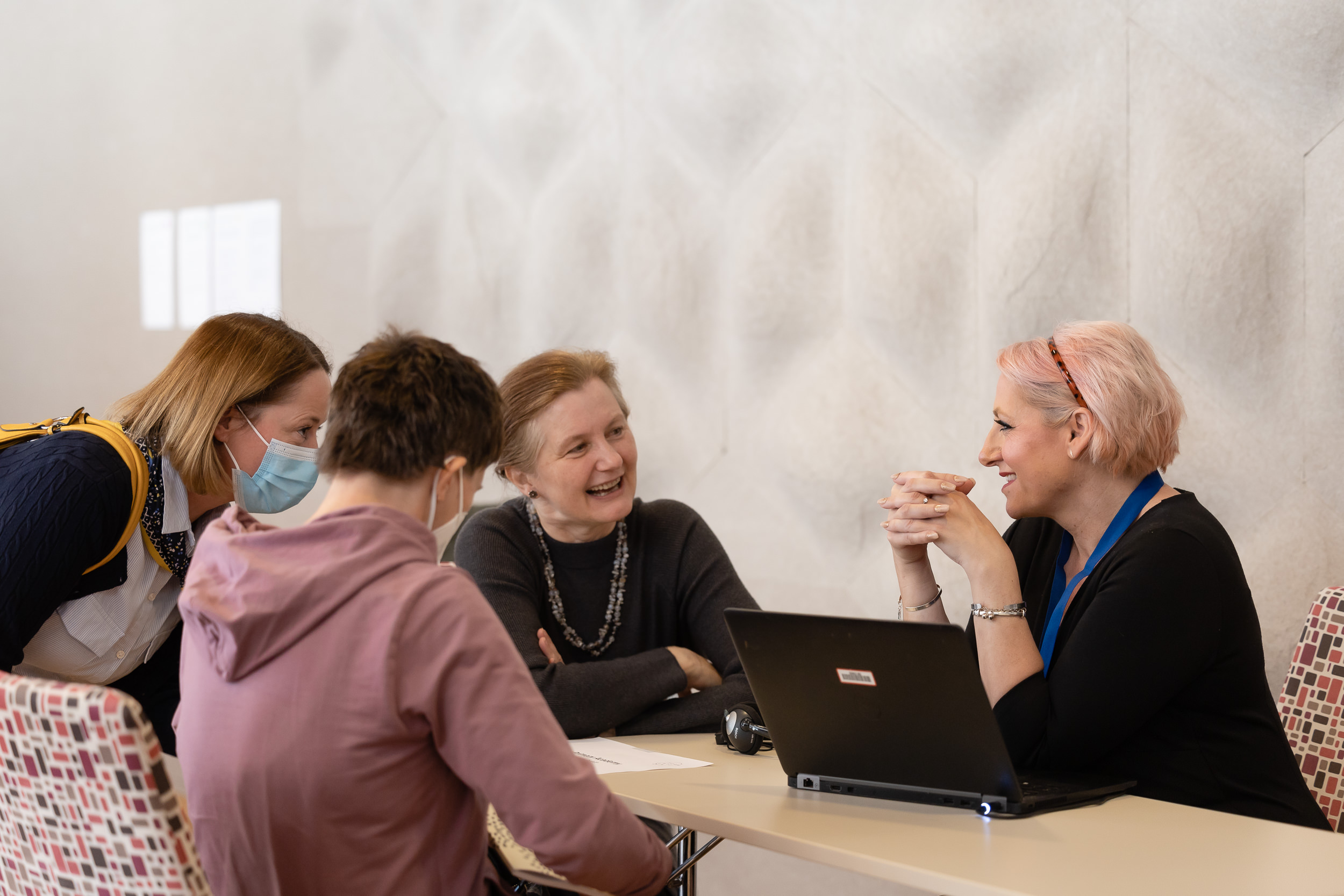
I provide facilitation, coaching, and professional development services for schools, trusts, alternative provisions, and educational organisations. Working in partnership with Teaching School Hubs and other professional development providers, I support educators at all stages of their careers to develop knowledge, confidence, and leadership capacity.
National Professional Qualifications (NPQs)
As an experienced facilitator, I support the delivery of National Professional Qualifications, helping participants engage with evidence-informed practice and apply learning within their own settings.
Areas of facilitation may include:
- NPQLBC – National Professional Qualification for Leading Behaviour and Culture
- NPQLL – National Professional Qualification for Leading Literacy
- Additional NPQ programmes as available through partner organisations
Sessions are designed to encourage reflection, collaboration, professional dialogue, and practical application of research-informed approaches.
Early Career Teacher (ECT) Support
I provide professional development and facilitation for Early Career Teachers, supporting them to develop confidence, strengthen classroom practice, and successfully navigate the early stages of their teaching career.
Support may include:
- ECF training sessions
- Professional discussions
- Reflective practice
- Curriculum and pedagogy development
- Behaviour and classroom culture
- Inclusive practice
- Curriculum design
Mentor Development
High-quality mentoring is fundamental to professional growth. I support mentors in developing the skills and knowledge required to effectively guide and support colleagues.
Training may focus on:
- Coaching and mentoring approaches
- Professional conversations
- Effective feedback
- Target setting and action planning
- Supporting reflective practice
- Building professional confidence
Continuing Professional Development (CPD)
I design and deliver bespoke CPD programmes tailored to the needs of schools, trusts, and education professionals.
Areas of expertise include:
- SEND and inclusive practice
- Neurodiversity awareness
- Autism, ADHD, PDA and FASD
- Behaviour and relationships
- Trauma-informed and Thrive-informed practice
- Emotional wellbeing and mental health
- Adaptive teaching
- Preparation for Adulthood
- Alternative provision and engagement strategies
- Literacy
- Visible Learning
Coaching and Facilitation
Using a collaborative and strengths-based approach, I facilitate professional learning that encourages participants to reflect on current practice, share expertise, and identify meaningful next steps for improvement.
Benefits of Professional Development and Facilitation
✅ Evidence-informed and research-based practice
✅ Practical strategies that can be implemented immediately
✅ Opportunities for professional reflection and collaboration
✅ Improved confidence and leadership capacity
✅ Strengthened inclusive and adaptive teaching practices
✅ Support for individual, team, and organisational improvement
I am committed to supporting educators and leaders to develop their practice, improve outcomes for children and young people, and create inclusive learning environments where everyone can thrive.
Coaching, Consultancy and School Improvement
I provide coaching, consultancy, and school improvement support for schools, trusts, alternative provisions, and educational organisations. Drawing on extensive experience across leadership, inclusion, curriculum, behaviour, and quality assurance, I work collaboratively with leaders and teams to strengthen capacity, improve outcomes, and drive sustainable improvement. My experiences as a Specialist Leader in Education, a Director of Learning and a Head Teacher have ensured I am objective and solution-focused in school consultancy.
School Evaluation and Quality Assurance
I support schools in evaluating the effectiveness of their provision through a strengths-based, evidence-informed approach. Evaluation processes help identify areas of excellence while highlighting priorities for future development.
Support may include:
- Self-evaluation and development planning
- School improvement reviews
- Deep dives and learning walks
- Curriculum evaluation
- Behaviour and culture reviews
- SEND and inclusion audits
- Attendance and engagement analysis
- Alternative provision evaluations
- Preparation for inspection
School Improvement Planning
Working alongside leaders, I help develop clear and achievable improvement strategies that focus on sustainable change and measurable impact.
Areas of support include:
- Strategic planning
- Improvement priority identification
- Action planning and implementation
- Monitoring and evaluation processes
- Staff development and capacity building
- Leadership accountability systems
Leadership Development
Strong leadership is at the heart of successful schools. Through coaching, mentoring, and professional challenge, I support leaders at all levels to develop confidence, effectiveness, and strategic thinking.
Support may be tailored for:
- Senior Leaders
- Middle Leaders
- SENDCOs
- Pastoral Leaders
- Alternative Provision Leaders
- Emerging and Aspiring Leaders
Culture, Behaviour and Inclusion
Creating inclusive, positive, and aspirational cultures is essential for long-term success. I work with organisations to strengthen systems, relationships, and practices that support both staff and learners.
Areas of focus may include:
- Behaviour and relationships
- Attendance and engagement
- Inclusive practice
- Neurodiversity and SEND
- Staff wellbeing
- Trauma-informed approaches
- Thrive-informed practice
- Developing a culture of belonging and high expectations
Coaching for Individuals and Teams
Coaching provides a structured opportunity for reflection, problem-solving, and professional growth. Sessions are designed to help individuals and teams identify priorities, overcome challenges, and develop practical solutions.
Coaching can support:
- Leadership effectiveness
- Managing change
- Confidence and decision-making
- Team development
- Performance improvement
- Professional growth and career progression
Bespoke Consultancy Services
Every organisation is unique. Consultancy support is tailored to individual contexts and can range from one-off reviews and strategic planning sessions to longer-term improvement partnerships.
Benefits of Coaching and Consultancy
✅ Independent, objective professional support
✅ Evidence-informed recommendations
✅ Increased leadership confidence and capacity
✅ Stronger systems and sustainable improvement
✅ Enhanced culture, inclusion, and wellbeing
✅ Improved outcomes for children, young people, and staff
My approach combines challenge, support, and collaboration to help schools and organisations build leadership capacity, strengthen culture, and achieve meaningful, lasting improvement for the communities they serve.
International Educational Consultancy and Collaboration
I provide international educational consultancy, facilitation, and professional learning services, supporting schools, organisations, and educational leaders to strengthen teaching, learning, leadership, and school improvement through evidence-informed practice.
My work includes collaboration with international partners, school leaders, teachers, and system leaders to develop sustainable approaches to educational improvement that are responsive to local contexts and priorities.
International School Improvement and Self-Evaluation
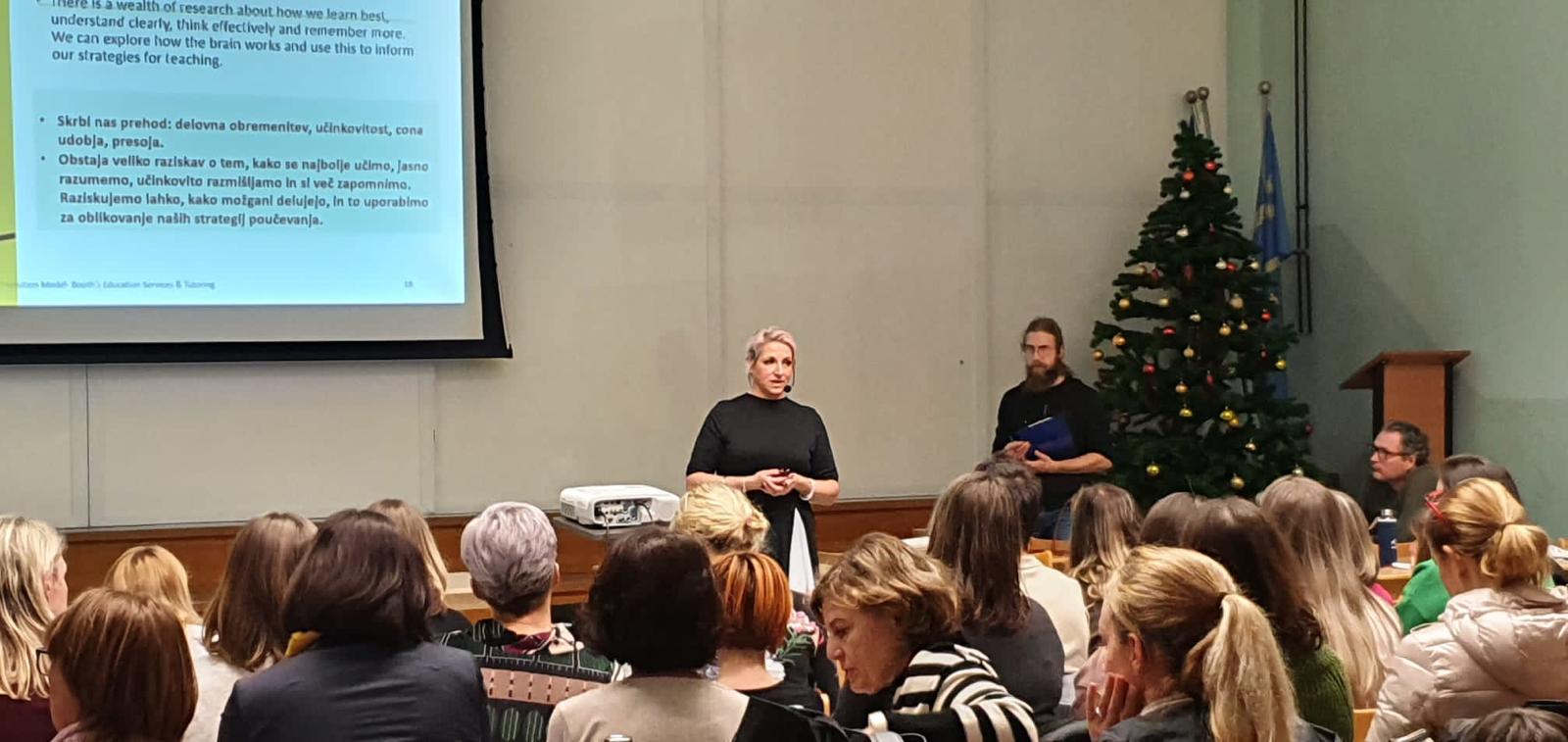
As part of the Transformation Model, I have supported schools in Slovenia to develop reflective, evidence-based approaches to school self-evaluation and continuous improvement.
This work focuses on helping schools to:
- Strengthen self-evaluation processes
- Build leadership capacity
- Develop collaborative professional cultures
- Improve teaching and learning
- Use evidence to inform improvement priorities
- Create sustainable systems for long-term development
Conference Speaking and Professional Learning
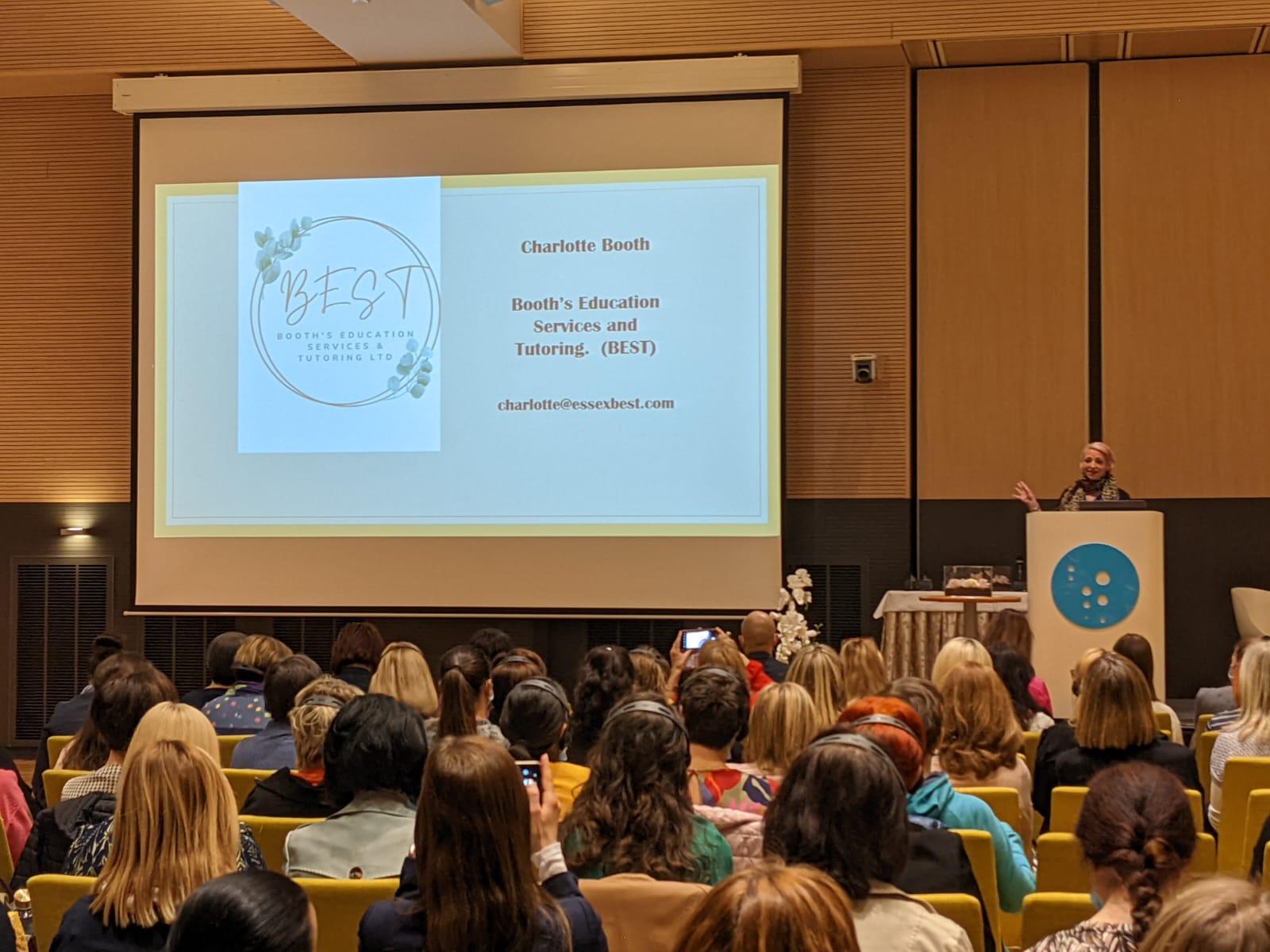
I contribute to international conferences, professional learning events, and leadership development programmes, sharing research-informed approaches and practical strategies for school improvement.
Areas of expertise include:
- Collective efficacy
- Learning dispositions and learner agency
- Teaching and learning capacity
- Adaptive teaching
- Inclusive practice
- Professional learning and development
- Leadership for improvement
- School culture and collaboration
- Evidence-informed practice
UK Study Visits
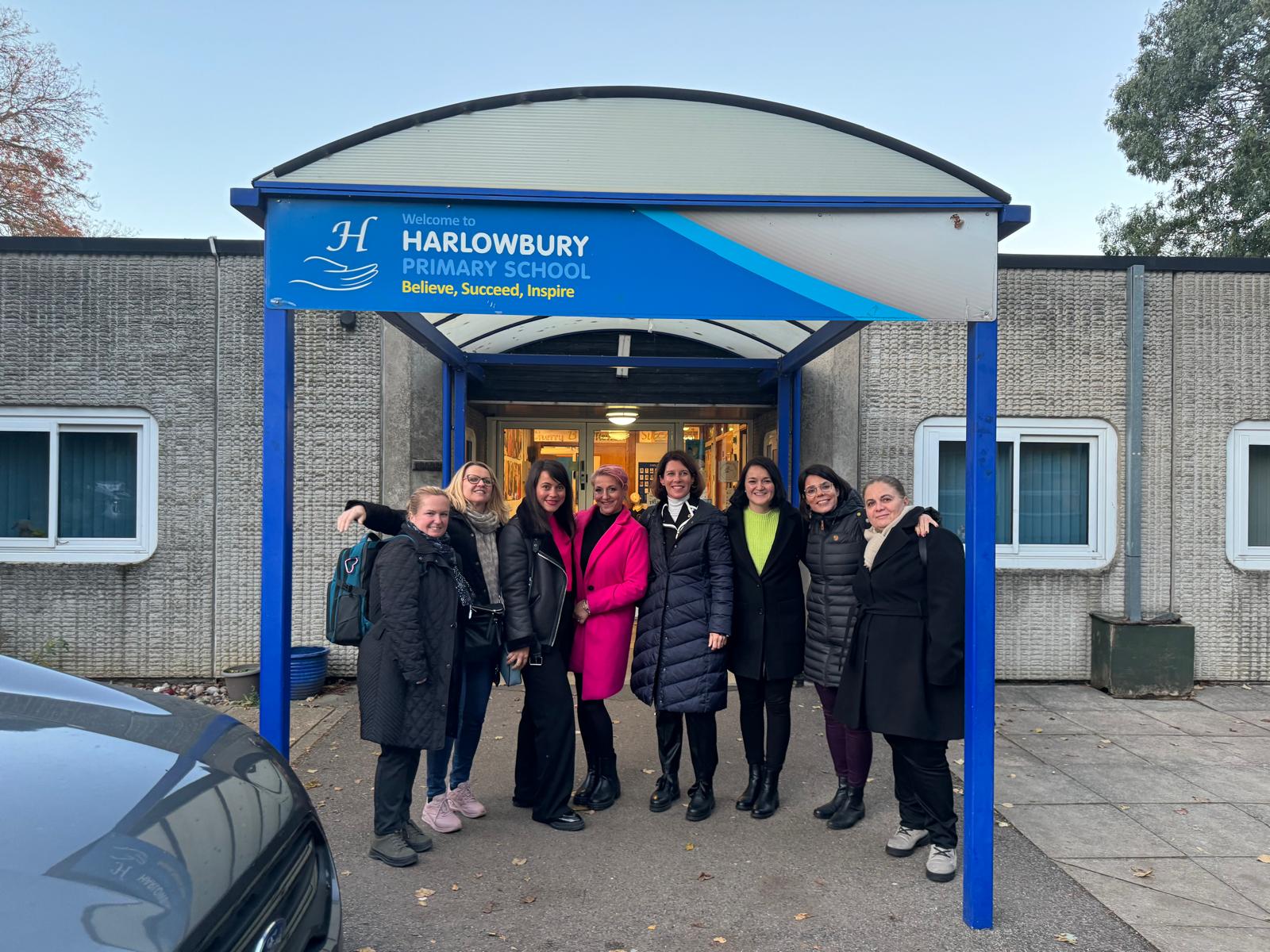
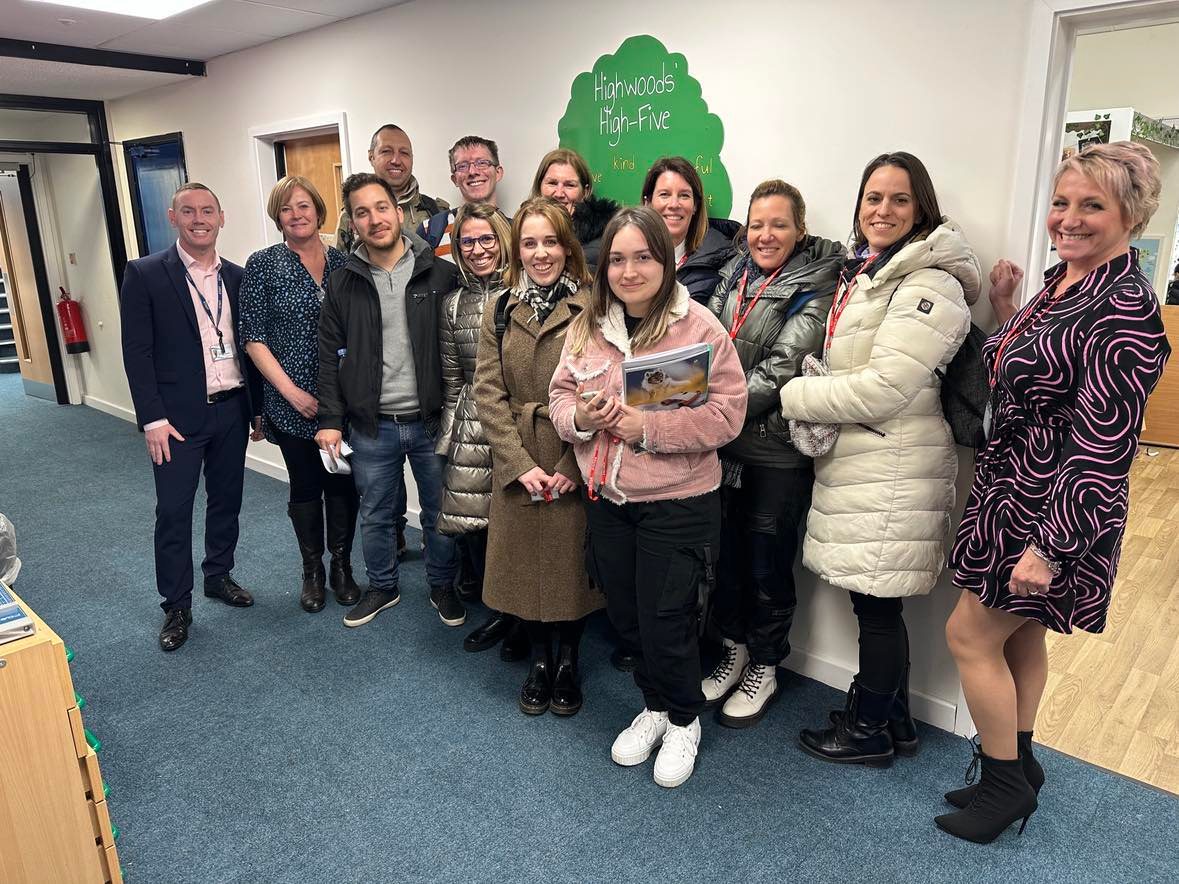
I support the planning, facilitation, and delivery of annual UK Study Visits for international educators and school leaders.
These visits provide opportunities to:
- Observe practice in a range of UK schools
- Engage with educational leaders and practitioners
- Explore effective teaching and learning approaches
- Understand school improvement processes
- Examine inclusive and adaptive teaching practices
- Reflect on how learning can be contextualised within participants’ own educational settings
A key part of this work involves helping delegates interpret, analyse, and adapt observations so that learning can be applied effectively within their own national, cultural, and educational contexts.
Building Global Professional Networks
International collaboration creates valuable opportunities for professional dialogue, shared learning, and innovation. Through consultancy, facilitation, and partnership working, I help connect educators across different systems to share expertise and learn from one another.
Areas of International Support
- School self-evaluation and improvement
- Leadership development
- Teaching and learning
- Adaptive and inclusive practice
- Collective efficacy and collaborative cultures
- Curriculum development
- Professional learning and coaching
- Conference presentations and keynote speaking
- Study visits and international partnerships
Benefits of International Collaboration
✅ Evidence-informed school improvement
✅ Stronger leadership and teaching capacity
✅ Enhanced professional learning and collaboration
✅ Greater understanding of international practice
✅ Sustainable approaches to educational development
✅ Opportunities to build global networks and partnerships
My international work is rooted in the belief that educational improvement is most successful when professionals learn with, from, and alongside one another. Through collaboration, reflection, and evidence-informed practice, schools can strengthen capacity, improve outcomes, and create lasting positive change for young people.